Loading...

Cada tarea se siente más desafiante cuando se pasa por alto el respeto en la escritura académica. Para los estudiantes de universidades británicas, mantener el respeto no solo moldea tus calificaciones, sino también tu reputación. El respeto en un contexto académico implica valorar los derechos y la dignidad de los demás, lo que fomenta una cultura de comportamiento ético. Aprender a mostrar un respeto genuino en los ensayos te ayuda a destacar, mantener la integridad académica y desarrollar las habilidades que las universidades y los empleadores valoran más.
| Punto | Detalles |
|---|---|
| Importancia del Respeto | El respeto es fundamental para la integridad académica, mejorando la experiencia educativa a través de la honestidad intelectual y la colaboración. |
| Dimensiones del Respeto | El respeto abarca reconocer contribuciones, mantener transparencia y valorar perspectivas diversas dentro de entornos académicos. |
| Elementos Clave de Ensayos Respetuosos | Un ensayo respetuoso muestra transparencia, atribución adecuada y documentación ética, transformando la escritura en una comunicación académica significativa. |
| Evitando Errores Comunes | Los estudiantes deben ser conscientes de los posibles errores en la escritura académica y adoptar estrategias como la verificación de fuentes y la representación equilibrada para mantener la integridad. |
El respeto se erige como un pilar de la integridad académica, encarnando un principio ético esencial que transforma las experiencias educativas. Dentro de los entornos académicos, el respeto trasciende la mera cortesía y representa un compromiso fundamental con la honestidad intelectual, el aprendizaje colaborativo y la conducta profesional.
En contextos académicos, el respeto se manifiesta a través de múltiples dimensiones críticas:
El marco de integridad académica enfatiza el respeto como un valor central que apoya interacciones positivas y crea un entorno propicio para el aprendizaje genuino. El respeto implica reconocer los derechos de propiedad intelectual de otros, dar el crédito adecuado a través de citas apropiadas y comprometerse con materiales académicos y compañeros estudiantes con genuina curiosidad y apertura.
Además, el respeto académico se extiende más allá de las interacciones individuales para abarcar valores institucionales más amplios. Las universidades e instituciones educativas de todo el mundo reconocen el respeto como un componente crítico de la excelencia académica. Al abrazar el respeto, los estudiantes desarrollan no solo habilidades académicas, sino también competencias profesionales e interpersonales cruciales que les servirán a lo largo de sus carreras.
Aquí hay una comparación de cómo el respeto influye en diferentes aspectos de la vida académica:
| Aspecto Académico | Influencia del Respeto | Beneficio a Largo Plazo |
|---|---|---|
| Discusión en Clase | Fomenta el diálogo abierto | Habilidades de pensamiento crítico más fuertes |
| Proyectos en Grupo | Promueve la colaboración | Mejora las habilidades de trabajo en equipo |
| Escritura Académica | Asegura la honestidad intelectual | Mayor credibilidad y confianza |
| Interacciones con el Profesorado | Construye relaciones profesionales | Redes académicas y profesionales duraderas |
Consejo profesional: Practica el respeto siempre reconociendo tus fuentes, participando constructivamente con puntos de vista diferentes y tratando los materiales académicos y a los compañeros académicos con genuina curiosidad intelectual.
Los ensayos académicos requieren enfoques matizados del respeto que van mucho más allá del simple comportamiento cortés. El respeto académico se manifiesta a través de múltiples dimensiones sofisticadas que reflejan madurez intelectual, compromiso ético y estándares profesionales de comunicación.
Los principales tipos de respeto en los ensayos académicos incluyen:
El respeto en la escritura académica no se trata de estar de acuerdo con cada perspectiva, sino de demostrar un compromiso genuino con la comprensión y la representación justa de diferentes contribuciones intelectuales. Este enfoque requiere que los estudiantes desarrollen habilidades de pensamiento crítico que vayan más allá del simple acuerdo o desacuerdo, enfocándose en un análisis matizado y un compromiso reflexivo.

Además, demostrar respeto en los ensayos académicos implica crear un entorno académico que valore el crecimiento intelectual, fomente el diálogo abierto y mantenga los más altos estándares de integridad académica. Al abrazar estas variadas formas de respeto, los estudiantes no solo mejoran su escritura, sino que también contribuyen a un discurso académico más inclusivo y dinámico.
Consejo profesional: Siempre aborda tu escritura académica con humildad intelectual, reconociendo que cada perspectiva ofrece una oportunidad para una comprensión y aprendizaje más profundos.
Los principios de integridad académica forman la base de un ensayo verdaderamente respetuoso, transformando la escritura de una mera tarea en una comunicación académica ética. Estos elementos clave representan más que requisitos técnicos: encarnan un profundo compromiso con la honestidad intelectual y el discurso profesional.
Los elementos esenciales de un ensayo académico respetuoso incluyen:
Los ensayos respetuosos demuestran una comprensión matizada de que la escritura académica no se trata de una victoria personal, sino de contribuir de manera significativa a las conversaciones académicas. Este enfoque requiere que los estudiantes vayan más allá de argumentos simplistas, participando en cambio con ideas complejas a través de un análisis cuidadoso, una representación equilibrada y humildad intelectual.
Además, abrazar estos elementos clave transforma la escritura de ensayos de una tarea mecánica en una oportunidad para un crecimiento intelectual genuino. Al practicar consistentemente estos principios, los estudiantes desarrollan habilidades de pensamiento crítico, capacidades de razonamiento ético y una profunda apreciación por la naturaleza colaborativa de la producción de conocimiento académico.
Consejo profesional: Aborda cada ensayo como un diálogo con fuentes académicas, donde tu objetivo es la comprensión y la contribución significativa, no el mero argumento o competencia.
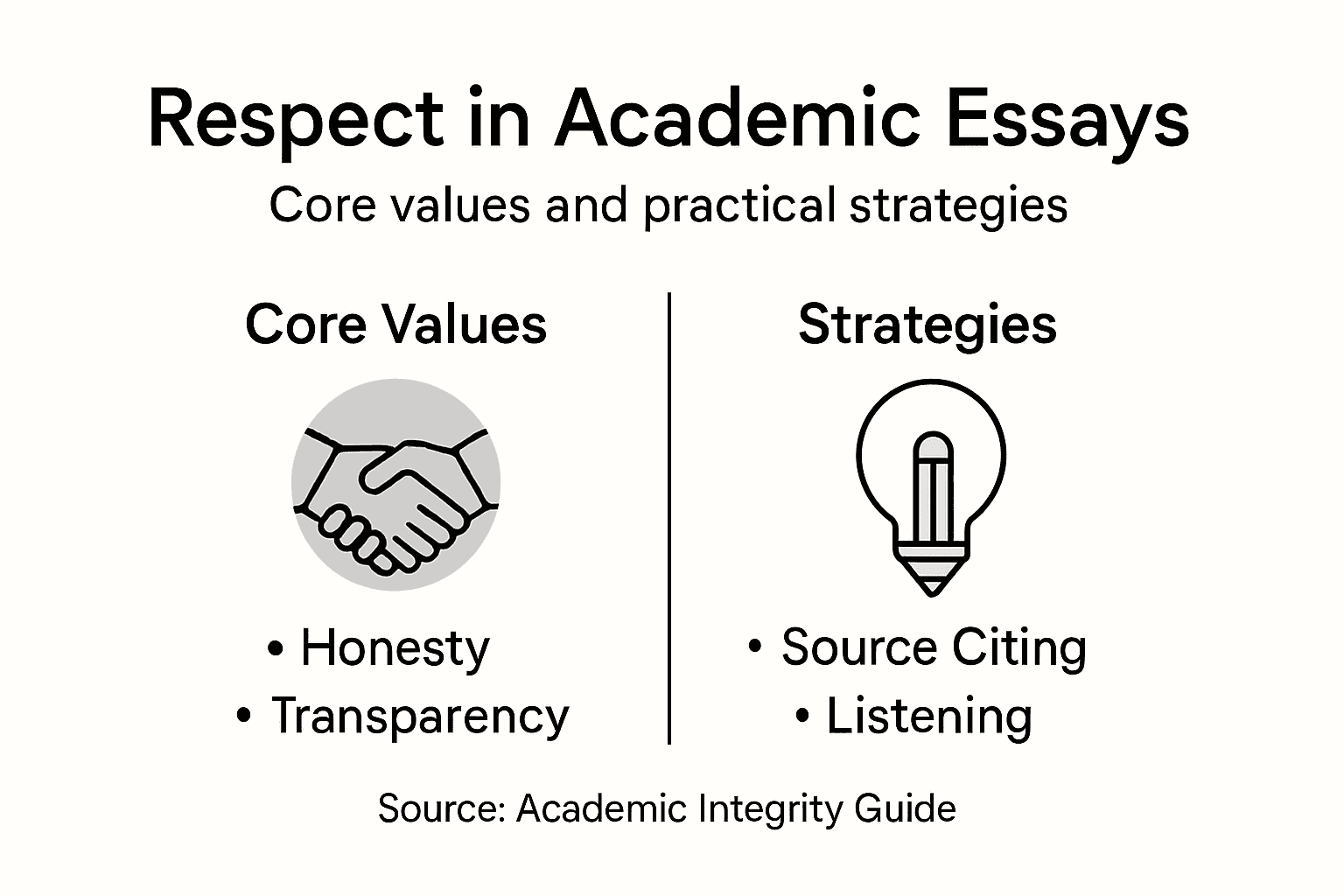
Las estrategias de escritura académica demandan un enfoque reflexivo que va más allá del cumplimiento superficial de las reglas de citación. Escribir con respeto requiere un profundo compromiso con la honestidad intelectual, el compromiso crítico y la comunicación ética.
Las estrategias prácticas clave para escribir con respeto incluyen:
Escribir académicamente con respeto es un proceso activo de diálogo intelectual. Requiere que los estudiantes vayan más allá de la reproducción pasiva de información, participando en cambio de manera crítica y constructiva con fuentes académicas. Esto significa desarrollar la habilidad de analizar argumentos, reconocer perspectivas matizadas y contribuir de manera significativa a las conversaciones académicas.
Además, escribir con respeto implica una autorreflexión continua y humildad intelectual. Los estudiantes deben cultivar un enfoque que valore la creación de conocimiento como un esfuerzo colaborativo, reconociendo que cada fuente representa un esfuerzo humano por entender y explicar ideas complejas.
Consejo profesional: Siempre lee las fuentes con genuina curiosidad, buscando entender los argumentos y motivaciones más profundos detrás del trabajo académico, no solo para extraer información.
Los desafíos de integridad académica pueden descarrilar incluso a los estudiantes más bien intencionados. Comprender estos posibles obstáculos es crucial para mantener prácticas académicas éticas y producir un trabajo académico de alta calidad.
Los errores comunes en la escritura académica incluyen:
Estos errores a menudo surgen de una combinación de inexperiencia, presión de tiempo y una comprensión inadecuada de los estándares de escritura académica. Los estudiantes pueden mitigar estos riesgos desarrollando habilidades de investigación sólidas, manteniendo una documentación meticulosa y abordando el trabajo académico con curiosidad intelectual y compromiso ético.
Además, evitar estos errores comunes requiere un enfoque proactivo. Esto implica un aprendizaje continuo, buscar retroalimentación de los instructores, utilizar recursos de escritura académica y desarrollar una genuina pasión por la exploración intelectual que vaya más allá de la mera obtención de calificaciones.
A continuación se presenta un resumen de estrategias emparejadas con desafíos comunes de escritura:
| Desafío de Escritura | Estrategia Efectiva | Resultado Esperado |
|---|---|---|
| Representación incorrecta de perspectivas | Buscar fuentes diversas | Argumentos más amplios y precisos |
| Prácticas de citación débiles | Verificar doblemente las referencias | Evitar el plagio |
| Uso excesivo de citas directas | Parafrasear y sintetizar ideas | Ensayos más originales y cohesivos |
| Referencias desactualizadas | Usar investigación actual y revisada por pares | Mejora de la fiabilidad y relevancia |
Consejo profesional: Crea un flujo de trabajo de investigación sistemático que incluya tiempo dedicado a la verificación de fuentes, la toma cuidadosa de notas y la reflexión crítica sobre tu proceso de escritura académica.
El respeto y la integridad académica son vitales pero a menudo difíciles de mantener en la escritura de ensayos. El artículo destaca las luchas clave como la citación adecuada, la honestidad intelectual y la representación equilibrada de perspectivas que pueden abrumar a los estudiantes que se esfuerzan por producir un trabajo respetuoso y creíble. Si deseas evitar errores comunes como el plagio no intencional o la referencia inexacta mientras perfeccionas tu pensamiento crítico y escritura ética, el apoyo avanzado es esencial.
Descubre cómo Samwell.ai puede capacitarte para escribir ensayos respetuosos que reflejen transparencia, autenticidad y humildad intelectual. Nuestra plataforma impulsada por IA asegura originalidad con verificaciones de plagio en tiempo real y te guía a través de la atribución adecuada de fuentes con herramientas adaptadas a estándares de citación como MLA y APA. Ya sea que necesites ayuda para crear argumentos equilibrados o contenido auténtico, la tecnología única Semihuman.ai de Samwell.ai y características como el Power Editor y los Ensayos Guiados hacen que la escritura académica de alta calidad sea eficiente y centrada en la integridad. No esperes para transformar tu proceso de escritura y contribuir con confianza a las conversaciones académicas. Comienza a aprovechar el soporte de IA de vanguardia hoy en Samwell.ai.
El respeto es esencial en la escritura académica ya que sostiene la honestidad intelectual, valora perspectivas diversas y fomenta un entorno de aprendizaje colaborativo. Asegura que los autores den el crédito adecuado a las ideas originales y participen éticamente en el discurso académico.
Puedes demostrar respeto por la propiedad intelectual citando adecuadamente todas las fuentes, reconociendo las contribuciones de otros investigadores y evitando el plagio a través de un parafraseo y atribución cuidadosos.
Los elementos clave incluyen transparencia en la comunicación, atribución adecuada de fuentes, autenticidad en la presentación de pensamientos originales, objetividad en la representación justa de perspectivas y documentación ética a través de citas precisas.
Las estrategias efectivas incluyen verificar todas las fuentes para asegurar su precisión, proporcionar atribución contextual para las referencias utilizadas, equilibrar la representación de puntos de vista diversos, parafrasear efectivamente y mantener una metodología clara y transparente.