Loading...

Meer dan 60 procent van de Amerikaanse docenten gelooft dat kunstmatige intelligentie het klaslokaal binnen de komende vijf jaar zal hervormen. AI-tools zijn niet langer een ver verwijderd concept; ze worden snel onderdeel van de dagelijkse academische ervaringen in de Verenigde Staten. Begrijpen wat AI daadwerkelijk doet in het onderwijs—en mythen van realiteit scheiden—kan ouders, leraren en studenten helpen om weloverwogen beslissingen te nemen over de evoluerende rol van technologie in het Amerikaanse onderwijs.
| Punt | Details |
|---|---|
| AI Verbetert Onderwijs | AI is ontworpen om leraren te ondersteunen in plaats van te vervangen, hun capaciteiten te vergroten en leerervaringen te personaliseren. |
| Veelvoorkomende Misvattingen | Mythen blijven bestaan dat AI docenten zal vervangen en onpersoonlijke leeromgevingen zal creëren; in werkelijkheid versterken AI-tools leraren en bevorderen ze gepersonaliseerd onderwijs. |
| Ethische Overwegingen | De integratie van AI in het onderwijs roept cruciale ethische kwesties op, met name met betrekking tot gegevensprivacy, algoritmische vooringenomenheid en het handhaven van academische integriteit. |
| AI-toepassingen in Leren | AI-technologieën bieden een scala aan toepassingen, zoals adaptieve leerplatforms en intelligente tutoringsystemen, die educatieve ervaringen verbeteren door gepersonaliseerde trajecten. |
Kunstmatige Intelligentie (AI) heeft de onderwijswereld snel getransformeerd door geavanceerde technologieën te introduceren die leren en academische prestaties ondersteunen. Hoewel AI een krachtige technologische vooruitgang vertegenwoordigt, vertroebelen misvattingen vaak het publieke begrip. Begrijpen van de kerncomponenten van AI onthult het potentieel om menselijke educatieve ervaringen te verbeteren in plaats van te vervangen.
In tegenstelling tot wat vaak wordt gedacht, is het doel van AI in het onderwijs niet om docenten te elimineren, maar om hun capaciteiten te vergroten. Onderzoek uit academische studies geeft aan dat AI-technologieën zijn ontworpen als samenwerkingshulpmiddelen, die docenten helpen leerervaringen te personaliseren en gerichte ondersteuning te bieden. Deze intelligente systemen kunnen studentenprestatiegegevens analyseren, leemtes in kennis identificeren en aangepaste interventiestrategieën aanbevelen die individuele docenten mogelijk over het hoofd zien.
Enkele veelvoorkomende mythen over AI in het onderwijs zijn aannames dat het leren volledig zal automatiseren of menselijke docenten overbodig zal maken. In werkelijkheid dient AI als een krachtig aanvullend hulpmiddel. Belangrijke misvattingen zijn onder andere:
Mythe: AI zal docenten vervangen
Realiteit: AI ondersteunt docenten door administratieve taken te beheren en datagestuurde inzichten te bieden
Mythe: AI-leren is onpersoonlijk
Realiteit: AI kan zeer gepersonaliseerde leertrajecten creëren op basis van individuele studentgegevens
Mythe: Alleen geavanceerde technologische instellingen kunnen AI implementeren
Realiteit: AI-tools worden steeds toegankelijker in verschillende onderwijsomgevingen
De toekomst van onderwijs ligt niet in technologische vervanging, maar in strategische integratie. Intelligente systemen kunnen complexe informatie snel verwerken, leerpatronen identificeren en onmiddellijke feedback geven. Ze kunnen echter niet de genuanceerde emotionele intelligentie, empathie en contextuele begrip repliceren die menselijke docenten naar het klaslokaal brengen. AI dient als een geavanceerde assistent, die docenten in staat stelt zich te concentreren op hogere-orde onderwijsstrategieën en individuele studentenbegeleiding.
Kunstmatige Intelligentie heeft educatieve technologieën gerevolutioneerd en biedt diverse toepassingen die traditionele leerbenaderingen transformeren. Uitgebreide AI-integratie onthult meerdere geavanceerde mechanismen die zijn ontworpen om educatieve ervaringen in verschillende domeinen te verbeteren. Deze technologische innovaties gaan verder dan eenvoudige digitale hulpmiddelen en creëren intelligente systemen die zich aanpassen aan en reageren op individuele leerbehoeften.

Adaptieve Leerplatforms vertegenwoordigen een van de meest significante AI-toepassingen in het onderwijs. Intelligente systemen analyseren studentenprestatiegegevens om gepersonaliseerde leertrajecten te creëren, waarbij individuele sterktes en zwaktes met ongekende precisie worden geïdentificeerd. Deze platforms passen de moeilijkheidsgraad van de inhoud, het leertempo en de instructiestrategieën dynamisch aan op basis van realtime interacties van studenten, wat zorgt voor een op maat gemaakte educatieve ervaring.
Belangrijke AI-toepassingen in leeromgevingen zijn onder andere:
Intelligente Tutoringsystemen
Bieden gepersonaliseerde instructie
Geven onmiddellijke feedback
Passen de complexiteit van de inhoud dynamisch aan
Natuurlijke Taalverwerkingstools
Helpen bij taalverwerving
Mogelijkheden voor automatische vertaling
Ondersteunen complexe tekstanalyse
Geautomatiseerde Beoordelingssystemen
Evalueren opdrachten snel
Bieden consistente scores
Verminderen administratieve werklast
Voorspellende Leeranalyses
Identificeren potentiële studentenuitdagingen
Aanbevelen van gerichte interventies
Volgen van academische prestatiepatronen
Deze AI-technologieën zijn niet ontworpen om menselijke docenten te vervangen, maar om hen te versterken met datagestuurde inzichten en efficiëntie. Intelligente educatieve hulpmiddelen kunnen enorme hoeveelheden informatie verwerken, complexe leerpatronen herkennen en bruikbare aanbevelingen genereren die docenten helpen hun instructiestrategieën te optimaliseren. De toekomst van onderwijs ligt in naadloze samenwerking tussen menselijke expertise en technologische innovatie, waardoor meer responsieve, gepersonaliseerde en effectieve leeromgevingen ontstaan.
Personalisatie in academische omgevingen heeft een opmerkelijke transformatie ondergaan door kunstmatige intelligentietechnologieën. Hybride mens-AI-systemen revolutioneren hoe studenten omgaan met educatieve inhoud, waarbij menselijke cognitieve capaciteiten worden uitgebreid voorbij traditionele leergrenzen. Deze intelligente platforms analyseren individuele leerpatronen, voorkeuren en prestatiestatistieken om unieke op maat gemaakte educatieve ervaringen te creëren.
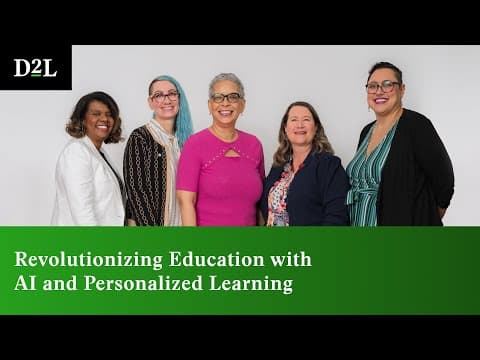
AI-gedreven personalisatie werkt via geavanceerde mechanismen die leermiddelen dynamisch aanpassen. Adaptieve leersystemen kunnen precies de sterktes, zwaktes en leerstijl van een student identificeren, waardoor gepersonaliseerde educatieve trajecten worden gegenereerd die kennisverwerving optimaliseren. Deze intelligente platforms passen continu de complexiteit van de inhoud aan, bevelen gerichte middelen aan en bieden realtime feedback die traditionele klasomgevingen nooit zouden kunnen bereiken.
Belangrijke strategieën voor AI-gestuurd gepersonaliseerd leren zijn onder andere:
Cognitieve Profielanalyse
In kaart brengen van individuele leerpatronen
Identificeren van kennisleemtes
Aanbevelen van gepersonaliseerde studiebenaderingen
Adaptieve Inhoudslevering
Aanpassen van de moeilijkheidsgraad van leermateriaal
Bieden van gecontextualiseerde voorbeelden
Afstemmen van inhoud op leertempo
Prestatievoorspellende Modellering
Voorspellen van potentiële academische uitdagingen
Voorstellen van preventieve leerinterventies
Volgen van langetermijnacademische ontwikkeling
Intelligente academische hulpmiddelen transformeren leren van een one-size-fits-all model naar een responsieve, geïndividualiseerde ervaring. Door geavanceerde algoritmen te combineren met een diep begrip van studentenbehoeften, creëert AI educatieve omgevingen die niet alleen informatief zijn, maar ook echt afgestemd op de unieke reis van elke leerling. De toekomst van onderwijs ligt in deze naadloze integratie van technologische inzichten en menselijk potentieel, waar gepersonaliseerd leren de norm wordt in plaats van de uitzondering.
De integratie van kunstmatige intelligentie in onderwijsomgevingen roept kritische ethische overwegingen op die zorgvuldige aandacht vereisen. Ethische uitdagingen in AI-implementatie gaan veel verder dan technologische capaciteiten en raken fundamentele kwesties van studentenprivacy, gegevensbescherming en algoritmische eerlijkheid. Instellingen moeten navigeren door complex terrein waar technologische innovatie kruist met individuele rechten en institutionele verantwoordelijkheden.
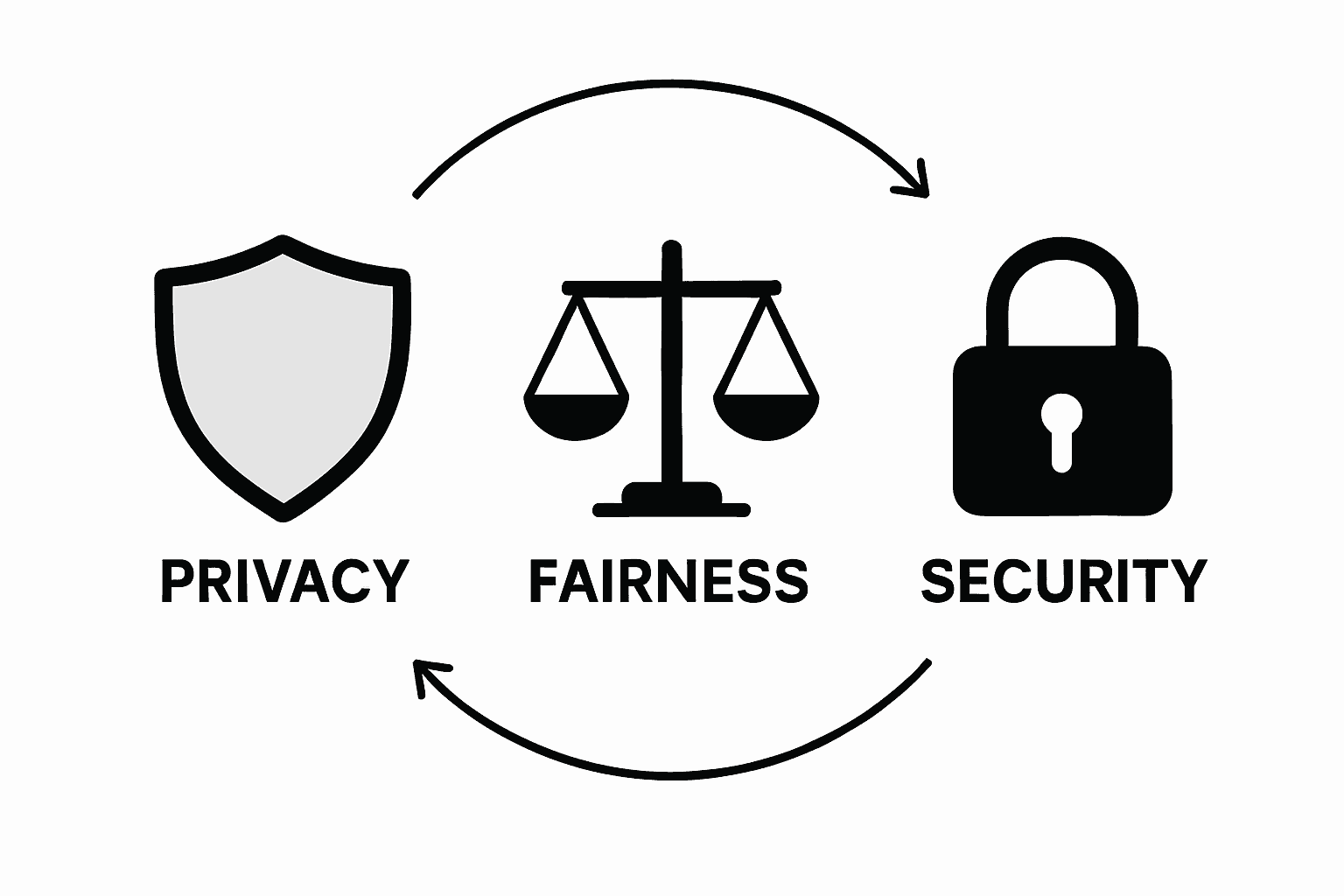
Gegevensprivacy komt naar voren als een uiterst belangrijke zorg in AI-gedreven onderwijsomgevingen. Studentenmotivaties en ethische dilemmas benadrukken de genuanceerde uitdagingen van het verzamelen, analyseren en benutten van persoonlijke academische gegevens. Kunstmatige intelligentiesystemen vereisen doorgaans uitgebreide studenteninformatie om gepersonaliseerde leerervaringen te genereren, wat potentiële risicos creëert van ongeoorloofd gegevensgebruik, algoritmische vooringenomenheid en mogelijke privacyschendingen.
Belangrijke ethische overwegingen in onderwijs-AI zijn onder andere:
Transparantie in Gegevensverzameling
Duidelijk communiceren van gegevensgebruikbeleid
Verkrijgen van geïnformeerde toestemming van studenten
Bieden van opt-out mechanismen
Voorkomen van Algoritmische Vooringenomenheid
Regelmatig auditen van AI-besluitvormingsprocessen
Zorgen voor diverse representatie in trainingsgegevens
Implementeren van eerlijkheidscontroles
Bescherming van Studentengegevens
Anonimiseren van persoonlijke informatie
Beveiligen van robuuste encryptieprotocollen
Beperken van gegevensbewaringsperioden
Waarborgen van Academische Integriteit
Detecteren van potentieel misbruik van AI-tools
Opstellen van duidelijke gebruiksrichtlijnen
Bevorderen van verantwoord AI-gebruik
Verantwoordelijke AI-integratie vereist een holistische benadering die technologische vooruitgang in balans brengt met ethische overwegingen. Onderwijsinstellingen moeten uitgebreide kaders ontwikkelen die studentenrechten beschermen, gegevensprivacy waarborgen en transparantie in AI-systemen handhaven. Het doel is niet om innovatie te beperken, maar om een ethisch ecosysteem te creëren waar technologische hulpmiddelen het leren verbeteren terwijl ze individuele privacy respecteren en eerlijke, onbevooroordeelde educatieve ervaringen bevorderen.
De opkomst van kunstmatige intelligentietechnologieën heeft het landschap van academische integriteit fundamenteel getransformeerd, waarbij complexe uitdagingen en ongekende kansen worden geïntroduceerd. De impact van AI op academisch schrijven presenteert een genuanceerd paradigma waarin technologische capaciteiten tegelijkertijd de wetenschappelijke authenticiteit bedreigen en beschermen. Studenten en instellingen navigeren nu in een geavanceerd ecosysteem waar AI-tools zowel potentiële academische misstanden kunnen genereren als detecteren.
Plagiaatdetectie is dramatisch geëvolueerd met geavanceerde AI-technologieën. Geavanceerde algoritmische benaderingen maken nu uitgebreide inhoudsanalyse mogelijk die verder gaat dan traditionele tekstvergelijking, waarbij subtiele patronen van potentiële academische oneerlijkheid worden geïdentificeerd. Deze intelligente systemen kunnen schrijfstijlen vergelijken, meerdere bronnen cross-refereren en potentiële gevallen van intellectuele toe-eigening met opmerkelijke precisie markeren.
Kritieke overwegingen voor het handhaven van academische integriteit in het AI-tijdperk zijn onder andere:
Proactieve Detectiemechanismen
Implementeren van geavanceerde plagiaatscreening
Analyseren van inconsistenties in schrijfstijl
Cross-refereren van wereldwijde academische databases
Studenteneducatie
Onderwijzen van verantwoord AI-gebruik
Verduidelijken van acceptabele AI-assistentiegrenzen
Ontwikkelen van digitale vaardigheden
Ontwikkeling van Institutioneel Beleid
Creëren van duidelijke AI-gebruiksrichtlijnen
Vaststellen van transparante consequenties
Ontwerpen van adaptieve evaluatiekaders
Technologische Tegenmaatregelen
Gebruik van AI-detectietools
Monitoren van inzendingspatronen
Ontwikkelen van bronverificatieprotocollen
Academische integriteit in het AI-tijdperk vereist een samenwerkingsbenadering die technologische innovatie in balans brengt met ethische principes. Instellingen moeten dynamische strategieën ontwikkelen die AI erkennen als een complex hulpmiddel dat verantwoordelijk, transparant gebruik vereist. Het doel is niet om technologische assistentie te veroordelen, maar om een cultuur van intellectuele eerlijkheid te cultiveren die studenten voorbereidt op een steeds digitaler academisch en professioneel landschap.
Het artikel benadrukt de cruciale rol van AI in het onderwijs, waarbij wordt benadrukt hoe gepersonaliseerd leren en uitdagingen op het gebied van academische integriteit geavanceerde, ethische hulpmiddelen vereisen. Studenten worden vaak geconfronteerd met het dilemma om hoogwaardig, origineel werk te produceren terwijl ze navigeren door evoluerende AI-technologieën die invloed hebben op schrijven en plagiaatdetectie. Samwell.ai pakt deze pijnpunten direct aan door een geavanceerd AI-gedreven platform te bieden dat gepersonaliseerde essay- en onderzoeksartikelcreatie ondersteunt zonder academische eerlijkheid in gevaar te brengen. Onze innovatieve Semihuman.ai-technologie minimaliseert plagiarrisicos en zorgt ervoor dat uw werk voldoet aan citatiestandaarden zoals MLA en APA.
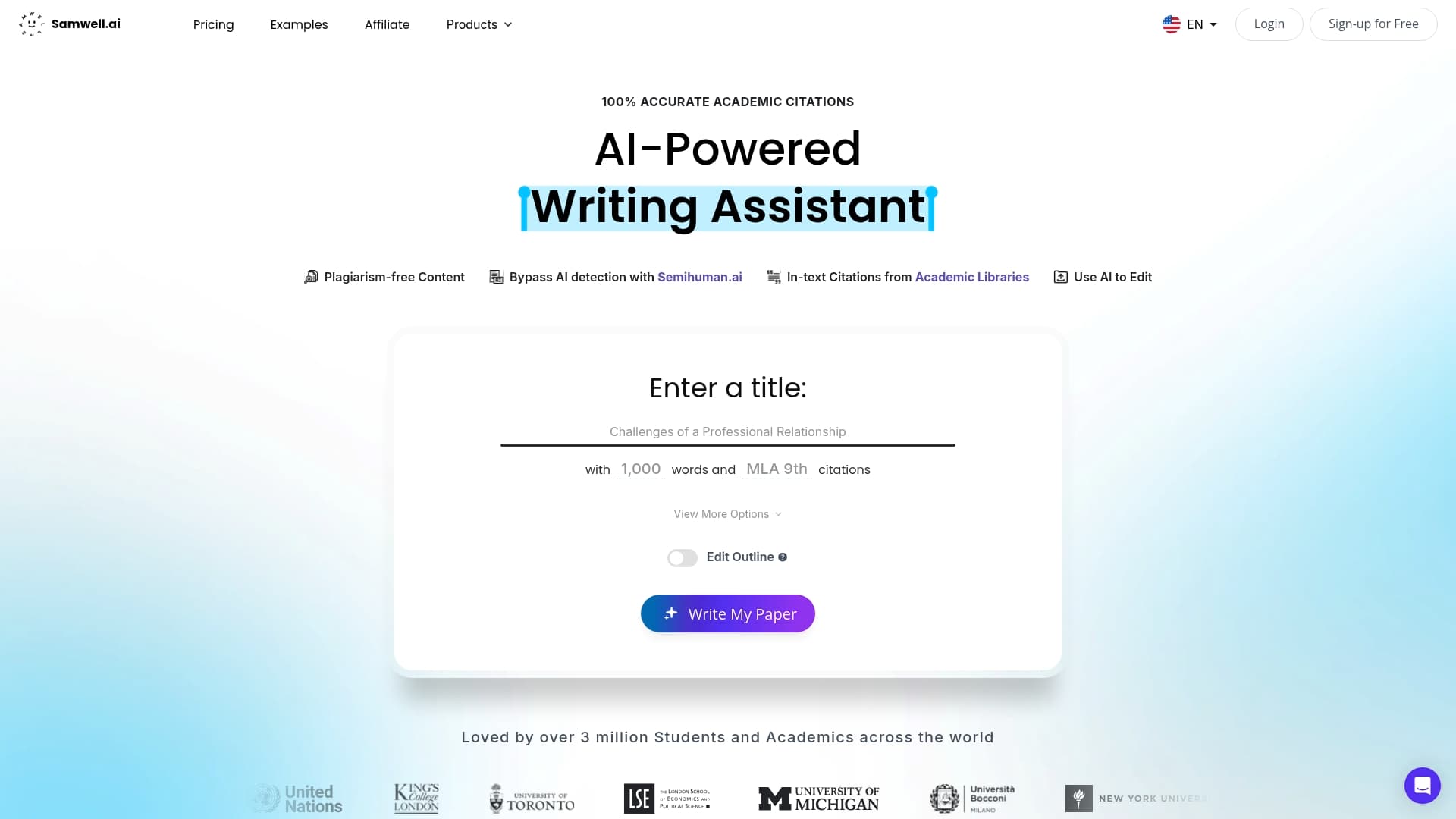
Ontdek hoe u uw academische ervaring kunt transformeren met Samwell.ai. Maak gebruik van onze krachtige functies zoals de Power Editor voor gerichte inhoudsverbetering en Guided Essays voor gestructureerde schrijfhulp. Of u nu op zoek bent naar gepersonaliseerde essaygeneratie of realtime AI-detectiecontroles, onderneem nu actie om een vertrouwde partner te omarmen die AI-efficiëntie combineert met academische integriteit. Begin vandaag nog aan uw reis naar academische excellentie op Samwell.ai en ontdek onze unieke benadering van intelligente academische hulpmiddelen, ontworpen voor studenten en docenten.
AI verbetert de educatieve ervaring door tools te bieden die gepersonaliseerd leren ondersteunen, studentenprestaties analyseren en docenten helpen bij het afhandelen van administratieve taken, waardoor het leerproces uiteindelijk wordt versterkt.
AI personaliseert leren door individuele studentgegevens te analyseren, sterktes en zwaktes te identificeren en educatieve middelen aan te passen om gepersonaliseerde leertrajecten te creëren die kennisverwerving optimaliseren.
Belangrijkste AI-toepassingen in het onderwijs zijn adaptieve leerplatforms, intelligente tutoringsystemen, natuurlijke taalverwerkingstools, geautomatiseerde beoordelingssystemen en voorspellende leeranalyses die geïndividualiseerde educatieve strategieën ondersteunen.
Belangrijke ethische kwesties zijn onder andere gegevensprivacy, algoritmische vooringenomenheid, transparantie in gegevensverzameling en het waarborgen van academische integriteit, wat een gebalanceerde benadering vereist voor het integreren van AI terwijl studentenrechten worden beschermd.