Loading...

Submitting an essay or research paper at an American university often requires more than just strong writing skills. For many undergraduate students, preparing a correct MLA cover sheet can feel confusing, especially since requirements vary by professor. Gathering essential academic information, structuring your details, and formatting according to MLA guidelines are crucial steps for meeting your assignment expectations. This overview helps you understand exactly what goes on an MLA cover sheet and how to organize it for maximum academic compliance.
| Important Insight | Detailed Explanation |
|---|---|
| 1. Gather MLA Information First | Collect your full name, course details, instructor's name, assignment title, and due date for the cover sheet. |
| 2. Follow MLA Formatting Standards | Set one-inch margins, use 12-point Times New Roman font, and apply double-spacing for a professional appearance. |
| 3. Organize Cover Sheet Components | Structure your cover sheet with institution name, title, personal information, and due date in a clear and centered layout. |
| 4. Review Document for Compliance | Conduct a thorough check of formatting details, ensuring accuracy in margins, spacing, and header information before submission. |
Creating an effective MLA cover sheet starts with collecting the right academic information. Your goal in this step is to compile all essential details your instructor will expect to see on your paper.
Begin by gathering key personal and assignment details. You will need your full name, the specific course information including course title and number, and your instructor's full name. These elements form the core of your cover sheet or first page heading. Make sure to write down the exact course name as it appears in your syllabus to maintain precision.
Next, confirm the assignment details such as the specific paper title and its due date. While the Modern Language Association does not mandate a separate cover page, many instructors require one. Double check your assignment guidelines to understand exactly what your professor expects. Some prefer the information printed directly on the first page, while others want a distinct cover sheet.
Pro Tip: Keep a digital or physical template of your standard academic information to quickly populate future assignment headers and cover sheets.
Formatting your document correctly is crucial for meeting MLA guidelines and ensuring your paper looks professional. Your goal is to create a clean, consistent layout that adheres to academic writing standards.
Start by setting up your document with precise formatting requirements. This means configuring one-inch margins on all sides, choosing a readable font like Times New Roman in 12-point size, and applying double spacing throughout the entire document. Indent the first line of each paragraph by half an inch from the left margin. These details might seem minor, but they demonstrate your attention to academic precision.
Next, prepare your header and title. Your header should include your last name and page number in the top right corner of each page. For the first page, create a left-aligned header with your full name, instructor's name, course title, and date. Center your paper title using standard capitalization without bold or underline formatting. Each of these elements contributes to the professional appearance of your academic work.
Pro Tip: Create a document template with MLA formatting saved as a reusable file to save time on future assignments.
Here's a quick comparison of common MLA formatting mistakes and how to prevent them:
| Mistake Type | Common Error Example | Prevention Tip |
|---|---|---|
| Font & Size | Using size 11 or Arial | Always select 12pt Times New Roman |
| Margins | Margins less than 1 inch | Set 1-inch margins on all sides |
| Header | Missing last name or number | Add last name, number aligned right |
| Title Formatting | Title in bold/underline | Center title; no bold/underline |
| Spacing | Single spacing in body | Use double spacing throughout |
Creating a well-structured MLA cover sheet requires careful organization of your academic information. Your objective is to present your details in a clear, professional manner that meets standard academic guidelines.
Start by organizing your cover sheet elements strategically. Begin at the top of the page with your school or institution's name, centered and typed in standard font. Move about one-third down the page and center your research paper title, capitalizing key words. Ensure you use a consistent 12-point Times New Roman font and maintain double spacing throughout. Below the title, leave several lines of space before adding your personal details.

When adding your personal information, follow a specific order to maintain consistency. Place your full name on the first line, followed by the course name and number on the next line. Add your instructor's full name on the subsequent line, and finally include the paper's due date. Each element should be centered and double-spaced, creating a clean and organized appearance that demonstrates your attention to academic formatting details.
Pro Tip: Create a digital template with your standard academic information to quickly replicate MLA cover sheets for future assignments.
The table below summarizes the sequence and purpose of MLA cover sheet elements:
| Element | Placement on Cover Sheet | Main Purpose |
|---|---|---|
| Institution Name | Top, centered | Identifies the academic institution |
| Paper Title | Center, one-third down | States research topic clearly |
| Student Name | Below title, centered | Attributes work to the student |
| Course & Instructor Name | Below student name | Details course, instructor info |
| Due Date | Last item, centered | Provides assignment schedule info |
The final stage of creating your MLA cover sheet is a thorough review to ensure every detail meets academic standards. Your objective is to catch any potential formatting errors before submitting your paper.
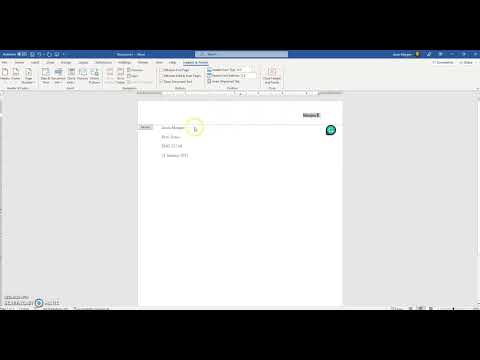
Start by systematically checking your document. Verify that your margins are consistently one inch on all sides, your text is double-spaced, and you are using a 12-point Times New Roman font. Confirm that your header appears on every page with your last name and page number aligned to the right. Pay close attention to your title formatting it should be centered and unformatted without bold or underline.

Carefully review the information on your cover sheet or first page. Check that your personal details are correctly aligned and spaced. Ensure your school name, course information, instructor name, and due date are accurate and follow the standard MLA layout. Compare your document against official MLA style guidelines or sample papers to catch any subtle formatting nuances you might have missed. A meticulous final review can prevent unnecessary point deductions and demonstrate your commitment to academic precision.
Pro Tip: Ask a classmate or writing center tutor to do a quick review of your formatting to catch any details you might overlook.
Struggling to perfect your MLA cover sheet and ensure your essay meets every academic requirement can be frustrating. The challenge of gathering precise details, formatting your paper correctly, and organizing content exactly as the MLA guidelines specify often takes precious time away from writing your core ideas. If you want to eliminate formatting errors, maintain academic precision, and have more confidence in every page of your research paper, Samwell.ai offers the right solution.
Unlock the power of AI to streamline your entire academic writing process. With Samwell.ai you get custom essay generation that respects MLA standards, including perfectly formatted cover sheets and headers. Use the Power Editor to refine your content or rely on Guided Essays for structured outlines that help you organize your research clearly. Don’t leave formatting to chance and avoid costly mistakes by trusting a platform used by over a million students and professionals. Take control of your academic success by visiting Samwell.ai today and create flawless MLA papers faster than ever.
To create an MLA cover sheet, you need to include your full name, the instructor's name, the course title and number, the date, and the paper title. Gather all these elements first to ensure your document meets academic expectations.
Your MLA cover sheet should have one-inch margins, use a 12-point Times New Roman font, and be double-spaced throughout. Center your title and structure your personal information below using standard capitalization and spacing.
A separate cover page is not required by the Modern Language Association, but some instructors may prefer one. Always check your assignment guidelines to see if your professor specifies this requirement for your essay.
To verify your MLA cover sheet formatting, check the margins, spacing, font size, and header placement. A thorough review against official MLA guidelines can help identify any inadvertent formatting errors before submission.
Yes, using a template for your MLA cover sheet can save you time and ensure consistency for future assignments. Just make sure to personalize each template with the correct details specific to the paper you are submitting.
If you find formatting errors on your cover sheet, correct them by adjusting the margins, font size, and spacing as needed. A careful review can help you fix these issues, potentially improving your overall grade.