Loading...

Staring at a blank page, you might wonder how to make your academic essay stand out from the very first sentence. Without a strong introduction, readers can feel lost or disconnected before your main points even begin. The challenge? Crafting an opening that sparks curiosity and builds a solid foundation for your ideas.
This guide reveals practical ways to create introductions that capture attention, provide clear context, and define key concepts. Each example draws on proven strategies that help transform complex topics into understandable insights. You will discover how thoughtful questions, vivid anecdotes, and precise definitions set the tone for your essay and guide your reader through your argument.
Ready to learn the approaches that professional writers use to turn introductions into powerful launching pads for their essays? The following examples break down what works, giving you specific techniques you can apply right away.
| Takeaway | Explanation |
|---|---|
| 1. Craft Clear Introductions | Introductions should present the topic, provide context, and establish a thesis statement to guide readers effectively. |
| 2. Use Engaging Hooks | Begin with a question, surprising fact, or anecdote to captivate the audience's interest and encourage further exploration. |
| 3. Define Key Terms | Clearly define essential terms to eliminate ambiguity and ensure readers understand the framework of your argument. |
| 4. Provide Contextual Background | Establish the relevance of your topic by connecting it to broader societal or academic discussions to enhance reader engagement. |
| 5. Link Introduction to Thesis | Create a smooth transition from the introduction to your thesis statement, ensuring a logical progression of ideas for better coherence. |
An expository essay introduction serves as the critical gateway that sets the stage for your entire academic argument. Its primary purpose is to provide clear context and establish a roadmap for readers about the specific topic you will explore.
At its core, an expository introduction does three fundamental things:
The introduction acts like a compass for your readers. Without a well-crafted introduction, your audience might feel lost or uncertain about the direction of your essay. Think of it as creating a mental framework that helps readers anticipate what insights they will gain.
An effective expository introduction transforms complex ideas into digestible insights that engage and inform readers.
Students often make the mistake of treating introductions as mere formalities. However, a strategic introduction can significantly impact how readers perceive and interact with your academic work. Comprehensive Guide to Writing an Expository Essay emphasizes that the introduction is not just an opener but a critical persuasive tool.
Successful expository introductions typically include:
Pro tip: Craft your introduction last after completing your entire essay to ensure it perfectly reflects the content and argument you've developed.
A thought-provoking question can transform an ordinary introduction into a captivating intellectual journey. By challenging readers' preconceptions and sparking curiosity, you create an immediate emotional and intellectual connection with your audience.
When crafting a question-based introduction, consider these strategic approaches:
A powerful opening question acts like an intellectual key that unlocks reader curiosity and invites deeper exploration.
Essay introduction techniques demonstrate that effective questions typically share three critical characteristics:
For instance, an essay about artificial intelligence might begin with: "Could machines eventually make life-and-death decisions better than humans?" This approach immediately signals the essay's intellectual depth and invites readers to contemplate complex technological and ethical considerations.
Key Elements of a Strong Thought-Provoking Question:
Pro tip: Draft multiple potential opening questions and select the one that most effectively captures your essay's intellectual essence and challenges readers' existing perspectives.
A surprising statistic can instantly transform an ordinary introduction into a compelling intellectual hook that grabs your readers attention and demands further investigation. By presenting an unexpected or counterintuitive fact, you create an immediate sense of curiosity and intellectual tension.
When selecting a statistic for your introduction, focus on characteristics that make it truly impactful:
A well-chosen statistic does more than inform it provokes critical thinking and challenges preconceived notions.
The power of a statistical introduction lies in its ability to:
Key Strategies for Selecting Compelling Statistics:
Analytical Essay Introduction Examples emphasize that the most effective statistical introductions go beyond mere numbers they tell a story and create an emotional or intellectual response.
For instance an essay about digital privacy might begin: "Over 4.5 billion personal records were compromised in data breaches during the first half of 2018 alone." This statistic immediately highlights the essays critical subject while shocking readers into paying attention.
Pro tip: Cross-reference your chosen statistic with multiple credible sources to ensure accuracy and verify its current relevance before incorporating it into your introduction.
A well-crafted anecdote transforms an academic introduction from a dry academic exercise into a compelling human narrative that immediately captures your readers attention and emotional investment. By sharing a brief personal story or real-world scenario, you create an immediate connection between abstract concepts and lived experience.
Expository writing techniques demonstrate that effective anecdotes share several critical characteristics:
A powerful anecdote acts like a bridge connecting readers personal experiences with broader academic arguments.
The strategic use of an anecdote involves more than simply telling a story. Successful introductions follow these essential steps:
Key Anecdote Selection Strategies:
For instance an essay about environmental policy might begin with a brief story about a local community experiencing climate change impacts. This approach transforms statistical data into a human experience that readers can personally understand and empathize with.
Pro tip: Draft multiple potential anecdotes and select the one that most effectively bridges personal experience with your academic argument while maintaining scholarly credibility.
Clarity begins with precision. In academic writing an introduction that meticulously defines key terms establishes a solid foundation for understanding complex ideas and prevents potential misinterpretation.
Expository essay writing emphasizes the critical importance of establishing clear definitions in your introduction. Defining terms serves multiple essential purposes:
Precise definitions transform abstract ideas into accessible knowledge.
When defining key terms strategically consider these critical approaches:
Effective Term Definition Strategies:
For instance an essay about artificial intelligence might define terms like "machine learning" and "neural networks" to ensure readers understand the specific technological context and theoretical implications.
Pro tip: Cross-reference your definitions with multiple academic sources to ensure accuracy and comprehensiveness in your explanatory approach.
Contextualizing your topic transforms an isolated academic discussion into a meaningful narrative that resonates with readers. By establishing the broader landscape surrounding your subject, you create a compelling framework that helps readers understand why your specific topic matters.
Academic essay introduction techniques demonstrate the critical importance of providing comprehensive background information. Setting context serves multiple crucial purposes:
Context transforms isolated facts into a meaningful intellectual narrative.
When developing contextual background consider these strategic approaches:
Effective Contextual Framing Strategies:
For instance an essay about technological innovation might begin by discussing the broader digital transformation happening across industries highlighting how your specific topic fits into this larger narrative.
Pro tip: Research multiple perspectives and sources to develop a nuanced contextual introduction that reveals the complexity and significance of your chosen topic.
Clarity is the cornerstone of effective academic writing. A powerful introduction cuts through ambiguity by presenting the main point with precision and confidence.
Expository essay writing techniques emphasize the critical importance of a clear and direct thesis statement. Stating your main point directly offers several strategic advantages:
A direct thesis transforms complexity into clear intellectual communication.
When crafting a direct main point consider these strategic approaches:
Key Direct Statement Strategies:
For instance instead of saying "Technology might potentially impact education in some ways" a direct approach would state "Digital learning technologies are fundamentally transforming educational methodologies in high schools and universities."
Pro tip: Draft multiple versions of your thesis statement and select the one that is most clear concise and intellectually provocative.
A seamless introduction transforms disconnected ideas into a coherent intellectual narrative. The art of linking your opening context directly to your thesis statement creates a powerful roadmap that guides readers through your academic argument.
Academic essay introduction techniques reveal that effective transitions are more than mere connections they are strategic intellectual bridges. Creating a smooth link between your introduction and thesis involves several critical considerations:
A well-crafted transition transforms a collection of facts into a compelling argument.
When developing your linkage strategy consider these essential steps:
Effective Linkage Strategies:
For instance an introduction discussing social media's widespread impact might transition to a thesis about its specific psychological effects by gradually narrowing the scope and highlighting the connection between broad observation and specific analysis.
Pro tip: Draft your introduction and thesis separately then refine the transitions between them ensuring each sentence feels like a natural progression of thought.
Below is a comprehensive table summarizing the key concepts, examples, and strategies discussed throughout the article on crafting effective introductions for expository essays.
| Topic | Implementation | Benefits and Insights |
|---|---|---|
| Purpose of Introduction | Define the essay's context, main topic, and thesis statement. | Provides a clear roadmap and structure for the essay. |
| Thought-Provoking Question | Begin with a meaningful and complex question. | Engages readers intellectually and provokes curiosity. |
| Surprising Fact or Statistic | Present a relevant and surprising factual statement. | Creates immediate interest and highlights significance. |
| Relevant Anecdote | Share a concise story related to the topic. | Connects abstract ideas to relatable human experiences. |
| Defining Key Terms | Provide clear and precise definitions of terms. | Ensures comprehension and avoids misinterpretation. |
| Setting Context | Establish background and broader relevance of the topic. | Frames the discussion within a meaningful narrative. |
| Direct Thesis Statement | Articulate the main argument clearly and concisely. | Eliminates confusion and sets the analytical tone. |
| Linking Introduction to Thesis | Create logical connections between the opening and thesis statement. | Establishes a smooth flow and cohesive argument. |
Crafting a clear and compelling expository introduction can be challenging when you need to present precise thesis statements, engaging hooks, or accurate context. This article highlighted key techniques such as using surprising facts, thought-provoking questions, or concise definitions to make your essay stand out. Yet, many students struggle to seamlessly integrate these elements while maintaining academic rigor and originality.
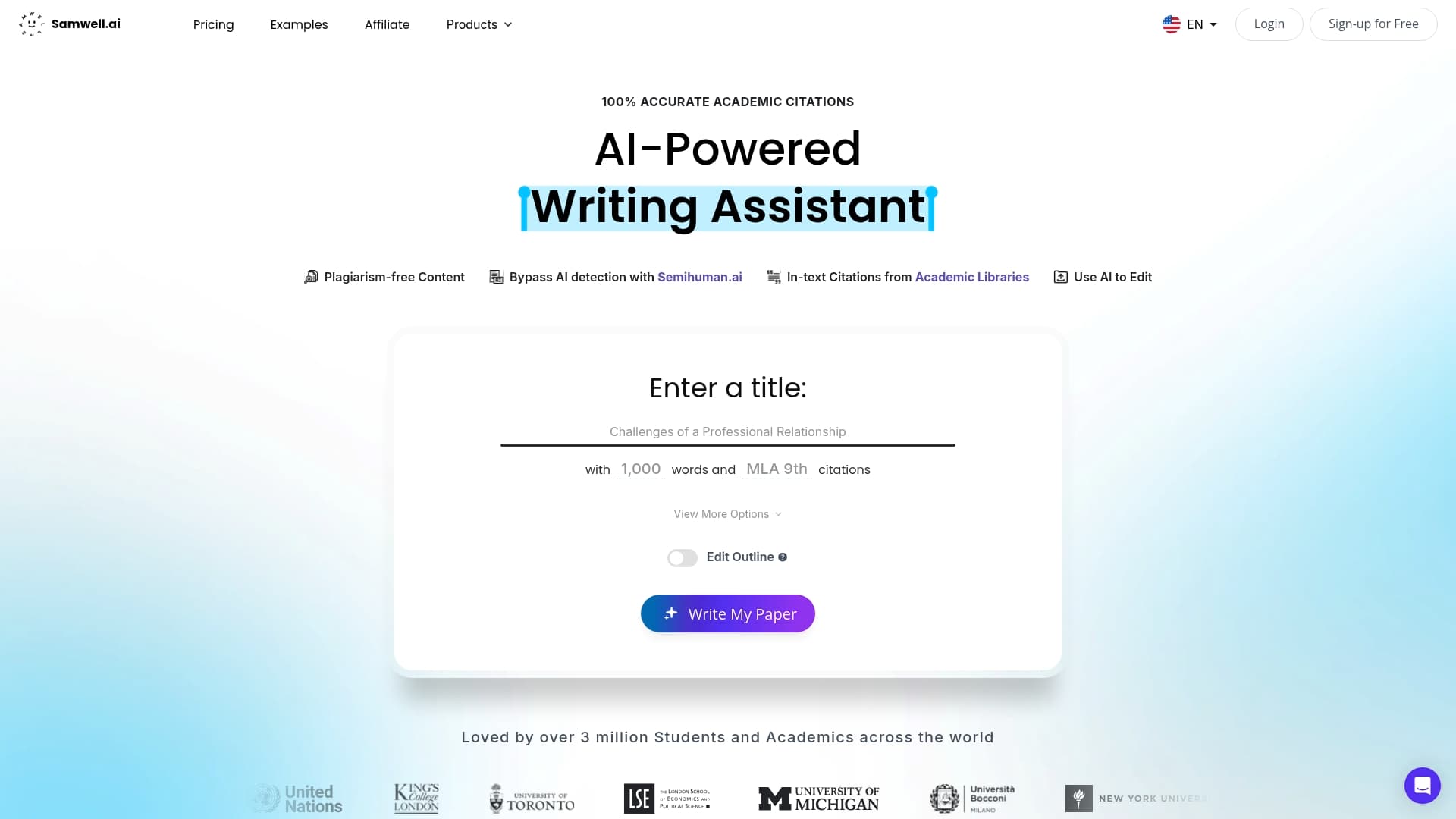
Samwell.ai is here to solve these challenges by offering an advanced AI-driven writing platform tailored for students and academics. With tools like the powerful "Power Editor" and structured "Guided Essays," you can effortlessly create introductions that captivate and clarify your key points. Our unique Semihuman.ai technology ensures your work is plagiarism-free and aligns with MLA and APA standards, guaranteeing credibility. Start transforming your academic writing today by visiting Samwell.ai and explore how to generate clear, engaging essay introductions with precision and confidence.
Take the next step now and experience firsthand how Samwell.ai can enhance your writing process with intelligent suggestions and seamless essay structuring. Don't wait to turn your essay introductions from ordinary to outstanding.
An expository essay introduction presents the central topic, provides background information, and establishes a thesis statement. Create a clear introduction to guide your readers through your argument and set expectations for your essay.
You can start with a thought-provoking question, a surprising fact, or a relevant anecdote to engage readers. Choose an opening that best suits your topic and captures your audience's attention immediately.
Your introduction should include a hook, context, key term definitions, and a precise thesis statement. Ensure these elements work harmoniously to provide a roadmap for your readers and clarify your argument.
Link your introduction to your thesis statement by identifying the core theme of your opening and connecting it logically to your thesis. Use transitional phrases to ensure your introduction flows naturally into your main argument, making the connection clear.
Defining key terms eliminates ambiguity and ensures readers share the same understanding of complex concepts. Provide clear and precise definitions to strengthen your argument and enhance academic rigor.
It's often best to draft your introduction last, as this allows you to reflect the content and argument you have developed throughout your essay. This approach ensures your introduction accurately represents your completed work.