
Loading...

Skoraj vsak ameriški študent se sooča z izzivom pisanja jasnih in prepričljivih akademskih esejev. Močne akademske pisne veščine odpirajo vrata do boljših ocen, priložnosti za vpis na fakulteto in uspeha v karieri. Kljub temu pa le približno 27 odstotkov ameriških dijakov piše na zadostni ravni, kot kaže poročilo Nation’s Report Card. Učenje, kako oblikovati uvode, strukturirati argumente in podpreti ideje z dokazi, lahko vaše pisanje spremeni iz povprečnega v izjemno.
| Ključna točka | Pojasnilo |
|---|---|
| 1. Oblikujte privlačen uvod | Vaš uvod naj pritegne pozornost in nakaže namen eseja, da spodbuja nadaljnje branje. |
| 2. Razvijte močno tezo | Jasna, specifična in argumentirana teza vodi vaš esej, oblikuje tako argument kot strukturo. |
| 3. Učinkovito organizirajte odstavke | Vsak odstavek mora predstaviti eno ključno točko, podprto z dokazi, kar ustvarja logičen tok idej. |
| 4. Uporabite tehnike prehoda | Učinkoviti prehodi povezujejo ideje in ohranjajo koherenco, kar vaš argument naredi dostopnejši bralcem. |
| 5. Popravite za jasnost in strukturo | Sistematično popravljanje izboljša koherenco in vpliv vašega argumenta, kar osnutek spremeni v izpiljeno delo. |
Oblikovanje močnega uvoda je vaš vstop v akademsko pisanje. Ta prvi odstavek služi kot načrt za celoten esej, bralcem signalizira, kaj lahko pričakujejo in zakaj naj nadaljujejo z branjem.
V svojem bistvu učinkovit uvod opravi dve ključni stvari: pritegne pozornost in zagotovi kontekst. Pomislite nanj kot na vaš intelektualni stisk roke z bralcem. Pisni center Univerze v Severni Karolini poudarja, da mora močan uvod takoj pritegniti vašo publiko, hkrati pa jasno opredeliti namen vašega eseja.
Trije ključni elementi privlačnega uvoda:
Pri pisanju uvoda si prizadevajte za občutljivo ravnovesje med informativnostjo in privlačnostjo. Izogibajte se splošnim izjavam. Namesto tega oblikujte stavke, ki so specifični, živahni in neposredno povezani z edinstveno perspektivo vašega eseja. Vaš cilj je, da bralci pomislijo: Da, želim izvedeti več o tem.
Praktičen nasvet: Napišite uvod nazadnje. Po dokončanju celotnega eseja boste imeli jasnejše razumevanje vašega dejanskega argumenta in lahko oblikujete uvod, ki popolnoma pripravi vašo vsebino.
Ne pozabite, da je odličen uvod kot filmski napovednik; naj predogleda glavne atrakcije, ne da bi vse razkril. Naj vzbudi radovednost, zagotovi smer in spodbudi vašega bralca, da se poglobi v vašo akademsko raziskovanje.
Teza je kompas vašega akademskega pisanja. Kristalizira vaš osrednji argument v en sam, močan stavek, ki vodi tako vas kot vašega bralca skozi intelektualno pokrajino vašega eseja.
Učinkovit razvoj teze zahteva natančnost in jasnost. Po mnenju Učnega centra Univerze Virginia Wesleyan mora biti močna teza specifična, argumentirana in jedrnata. Ni zgolj izjava dejstva, temveč trditev, ki vabi k intelektualnemu raziskovanju in morebitni razpravi.
Ključne značilnosti močne teze:
Pomislite na svojo tezo kot na obljubo vašemu bralcu. Na kratko naj odgovori na temeljna vprašanja: Kaj je vaš argument? Zakaj je pomemben? Oblikovanje močne teze pomeni ustvarjanje načrta, ki prikazuje pomen vašega akademskega raziskovanja.
Praktične strategije za razvoj prepričljive teze vključujejo začetek z vprašanjem, razmišljanje o možnih argumentih in izpopolnjevanje vaše izjave skozi več osnutkov. Izogibajte se nejasnemu jeziku. Namesto tega uporabite natančne izraze, ki jasno komunicirajo vašo specifično perspektivo.
Mojstrska teza preoblikuje preprosto temo eseja v intelektualno zanimiv pogovor. Bralcu signalizira, da imate edinstveno, dobro utemeljeno perspektivo, vredno raziskovanja.
Odstavki so arhitekturni okvir vašega akademskega eseja, ki vašo tezo preoblikujejo iz abstraktnega koncepta v prepričljiv argument. Vsak odstavek služi kot kritični gradnik, ki sistematično podpira vašo osrednjo trditev.
Organizacija odstavkov zahteva strateško razmišljanje. Pisni center Univerze v Severni Karolini poudarja, da se morajo učinkoviti odstavki osredotočiti na eno ključno točko, kar ustvarja jasen in logičen napredek idej.
Bistveni elementi dobro strukturiranih odstavkov:
Smernice za razvoj odstavkov s Purdue University predlagajo sistematičen pristop. Začnite vsak odstavek z jasnim tematskim stavkom, ki je neposredno povezan z vašo tezo. Pomislite na ta stavek kot na mini argument, ki prispeva k vaši širši akademski pripovedi.
Praktičen nasvet: Pred pisanjem ustvarite oris, ki nariše vaše ključne točke. Vsaka točka naj bo dovolj pomembna, da si zasluži svoj odstavek, vendar dovolj specifična, da ohrani fokus. Izogibajte se prenatrpanju odstavkov z več konkurenčnimi idejami.
Ne pozabite, da vaši odstavki niso le posode za informacije. So dinamični prostori, kjer demonstrirate svoje kritično razmišljanje, sintetizirate raziskave in prepričljivo napredujete svoj akademski argument.
Dokazi preoblikujejo mnenje v verodostojen akademski argument. Brez robustnih podpornih podrobnosti vaš esej postane zbirka nepodprtih trditev namesto prepričljivega intelektualnega raziskovanja.
Pisni center Univerze v Severni Karolini poudarja, da učinkoviti dokazi presegajo zgolj trditve. Vaš cilj je zagotoviti konkretne, preverljive informacije, ki neposredno podpirajo vašo tezo.
Ključne vrste podpornih dokazov:
Tehnike strateške integracije dokazov:
Praktičen nasvet: Obnašajte se do dokazov kot do priče na akademskem sojenju. Morajo biti verodostojni, relevantni in neposredno govoriti o točki, ki jo želite poudariti. Izogibajte se naključnim dejstvom, ki ne podpirajo jasno vašega osrednjega argumenta.
Ne pozabite, da močni dokazi ne sedijo pasivno v vašem eseju. Aktivno prepričujejo, osvetljujejo kompleksne ideje in prikazujejo globino vaše intelektualne analize.
Prehodi so nevidni mostovi, ki vodijo bralce skozi vaš akademski argument. Povezujejo ideje, gladijo intelektualne skoke in ustvarjajo kohezivno pripoved, ki preoblikuje nepovezane odstavke v enotno znanstveno raziskovanje.
Strategije prehoda igrajo ključno vlogo pri ohranjanju intelektualnega toka vašega eseja. Pisni center Univerze v Severni Karolini poudarja, da so učinkoviti prehodi več kot zgolj povezovalne besede; so sofisticirana orodja za intelektualno navigacijo.
Ključne tehnike prehoda:
Praktični pristopi k prehodom:
Praktičen nasvet: Pomislite na prehode kot na intelektualni GPS. Pomagajo vašemu bralcu razumeti ne le, kaj govorite, ampak tudi, kako se različne ideje medsebojno povezujejo in napredujejo vaš celoten argument.
Ne pozabite, da mojstrski prehodi naredijo vaše pisanje brez napora. Ustvarjajo nevidno arhitekturo, ki vodi bralce skozi kompleksne ideje z jasnostjo in namenom.
Zaključek je več kot povzetek; je intelektualni vrhunec vašega akademskega argumenta. Predstavlja vašo zadnjo priložnost, da pustite trajen vtis in sintetizirate kompleksne ideje, raziskane skozi vaš esej.
Oblikovanje učinkovitega zaključka zahteva strateško razmišljanje. Pisni center Univerze v Severni Karolini poudarja, da močan zaključek presega zgolj ponavljanje vaše teze; zagotavlja širši kontekst in prikazuje globlji pomen vaše raziskave.
Bistveni elementi zaključka:
Strategije oblikovanja zaključka:
Praktičen nasvet: Pomislite na svoj zaključek kot na trenutek oddaljevanja. Začnite s povzetkom vaših specifičnih ugotovitev, nato pa postopoma razširite, da pokažete, kako ti vpogledi prispevajo k širšemu razumevanju na vašem področju.
Ne pozabite, da mojstrski zaključek preoblikuje zbirko odstavkov v smiselno intelektualno raziskovanje, ki odmeva onkraj neposrednega besedila.
Popravljanje vašega eseja ni zgolj vaja v lektoriranju; je intelektualni proces izpopolnjevanja, ki preoblikuje dober osnutek v izjemno akademsko delo. Pomislite na popravljanje kot na oblikovanje vaših idej v njihovo najbolj natančno in prepričljivo obliko.
Učinkovite strategije popravljanja iz Pisnega centra Univerze v Severni Karolini poudarjajo sistematičen pristop k pregledu vašega dela. Cilj ni le popraviti napake, temveč izboljšati celotno koherenco in vpliv vašega argumenta.
Kritične tehnike popravljanja:
Praktične strategije popravljanja:
Praktičen nasvet: Purdue University priporoča pristop k lektoriranju kot metodičen proces. Začnite z vprašanji velike slike, kot je tok argumenta, nato pa se postopoma osredotočite na natančnost na ravni stavkov.
Ne pozabite, da se odlično pisanje pojavi skozi skrbno izpopolnjevanje. Popravljanje je tisto, kjer se dobre ideje preoblikujejo v prepričljive znanstvene argumente.
Spodaj je obsežna tabela, ki povzema ključne elemente, strategije in premisleke za pisanje akademskih esejev, obravnavanih skozi celoten članek.
| Tema | Opis | Ključni premisleki |
|---|---|---|
| Uvod | Uvod je načrt eseja, zasnovan za pritegnitev pozornosti in zagotavljanje konteksta. | Uporabite priklop, zagotovite kontekst in navedite svojo tezo. Napišite ga nazadnje za jasnost. |
| Teza | En sam, močan stavek, ki vodi esej, predstavlja specifično, argumentirano trditev. | Zagotovite specifičnost, jasnost in argumentiranost ter ga postavite na konec uvoda. |
| Odstavki | Vsak odstavek podpira tezo z eno ključno točko in logičnim napredkom. | Začnite s tematskim stavkom, vključite podporne dokaze in ustvarite gladke prehode. |
| Podporni dokazi | Konkretne informacije, ki preoblikujejo mnenje v verodostojen argument. | Uporabite statistične podatke, citate strokovnjakov in zgodovinske primere. Natančno navajajte vire. |
| Prehodi | Mostovi, ki povezujejo ideje in zagotavljajo kohezivno pripoved. | Uporabite logične povezovalce, tematske mostove in zagotovite, da vsak prehod doda zagon. |
| Zaključek | Sintetizira argumente in zagotavlja širši kontekst, pušča trajen vtis. | Izogibajte se novim informacijam, ponudite sveže vpoglede in ustvarite občutek zaključka. |
| Popravljanje | Proces izpopolnjevanja idej za preoblikovanje dobrega osnutka v izjemno delo. | Osredotočite se na strukturo, jasnost, konsistentnost in izpopolnjevanje jezika. Počakajte med osnutki za svežo perspektivo. |
Se trudite oblikovati jasen uvod ali razviti močno tezo za svoj esej? Članek poudarja pomen strukture, od privlačnih uvodov do brezhibnih prehodov in argumentov, podprtih z dokazi. Ti koraki se lahko zdijo preobsežni, ko poskušate uravnotežiti jasnost, koherenco in izvirnost - ključne izzive, s katerimi se soočajo številni študenti, ko si prizadevajo za akademsko odličnost. Samwell.ai razume te težave in ponuja prilagojene rešitve, ki vam pomagajo organizirati odstavke, graditi prepričljive argumente in brez težav izpiliti zaključek.
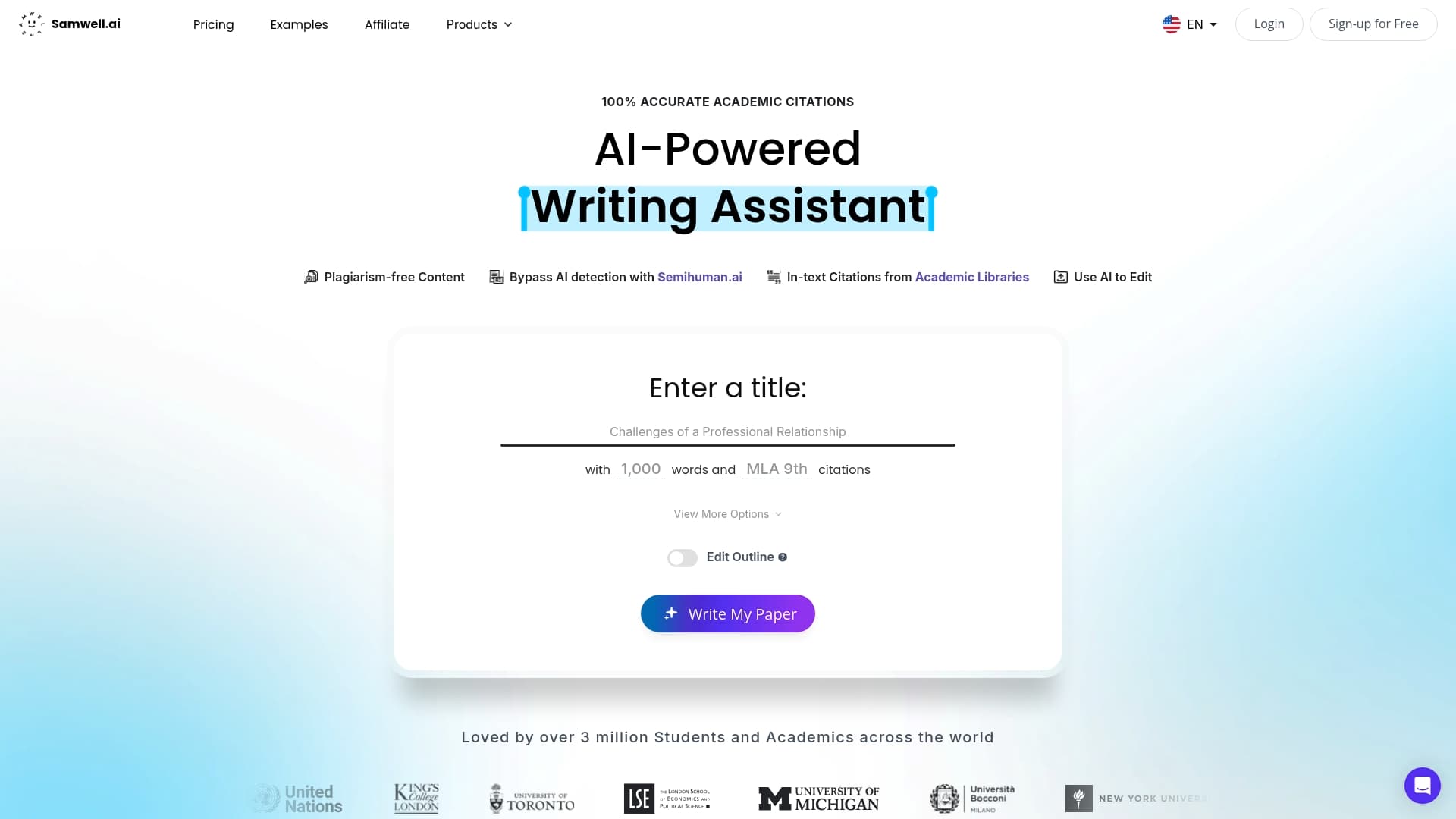
Odklenite svoj polni pisni potencial z uporabo napredne platforme, ki jo poganja AI, zasnovane za poenostavitev vaše akademske poti. S Samwell.ai-jevo edinstveno tehnologijo Semihuman.ai in močnimi funkcijami urejanja lahko premagate pisateljski blok in zagotovite, da vaš esej izstopa z izvirnostjo in pravilnimi citatnimi slogi. Začnite pametneje strukturirati svoje eseje danes z raziskovanjem našega nabora orodij na Samwell.ai in izkusite razliko profesionalne akademske podpore.
Učinkovit uvod eseja naj pritegne pozornost bralca, zagotovi kontekst za temo in navede jasno tezo. Začnite z razmišljanjem o zanimivem priklopu, ki se povezuje z vašim glavnim argumentom. Ta pristop pomaga usmeriti vaše bralce že od samega začetka.
Za ustvarjanje močne teze poskrbite, da je specifična, argumentirana in jedrnata. Razmislite o svojem glavnem argumentu in ga povzemite v enem jasnem stavku, ki odgovarja na temeljna vprašanja vašega eseja in učinkovito vodi vašo vsebino.
Vsak odstavek naj se osredotoči na eno ključno točko, ki podpira vašo tezo. Začnite s tematskim stavkom, predstavite podporne dokaze in vključite analizo, da povežete dokaze nazaj na vaš glavni argument. Ciljajte na 4-6 kohezivnih odstavkov, da ohranite jasnost.
Podprite svoje argumente z vključevanjem različnih vrst dokazov, kot so statistični podatki, citati strokovnjakov in ustrezne raziskovalne ugotovitve. Jasno uvedite svoje dokaze, pojasnite njihovo relevantnost in vedno natančno navajajte, da okrepite svoje trditve.
Za ustvarjanje učinkovitih prehodov uporabite logične povezovalce in tematske mostove, ki odražajo odnos med idejami. Povzemite prejšnje točke ob uvajanju novih vpogledov, da ohranite kohezijo in brezhibno vodite bralca skozi vaš argument.
Močan zaključek naj sintetizira ključne argumente, zagotovi širši kontekst in ponudi svež pogled na vaše ugotovitve. Osredotočite se na interpretacijo prejšnjih dokazov in njihovo povezovanje nazaj na pomen vaše teze, brez uvajanja novih informacij.